
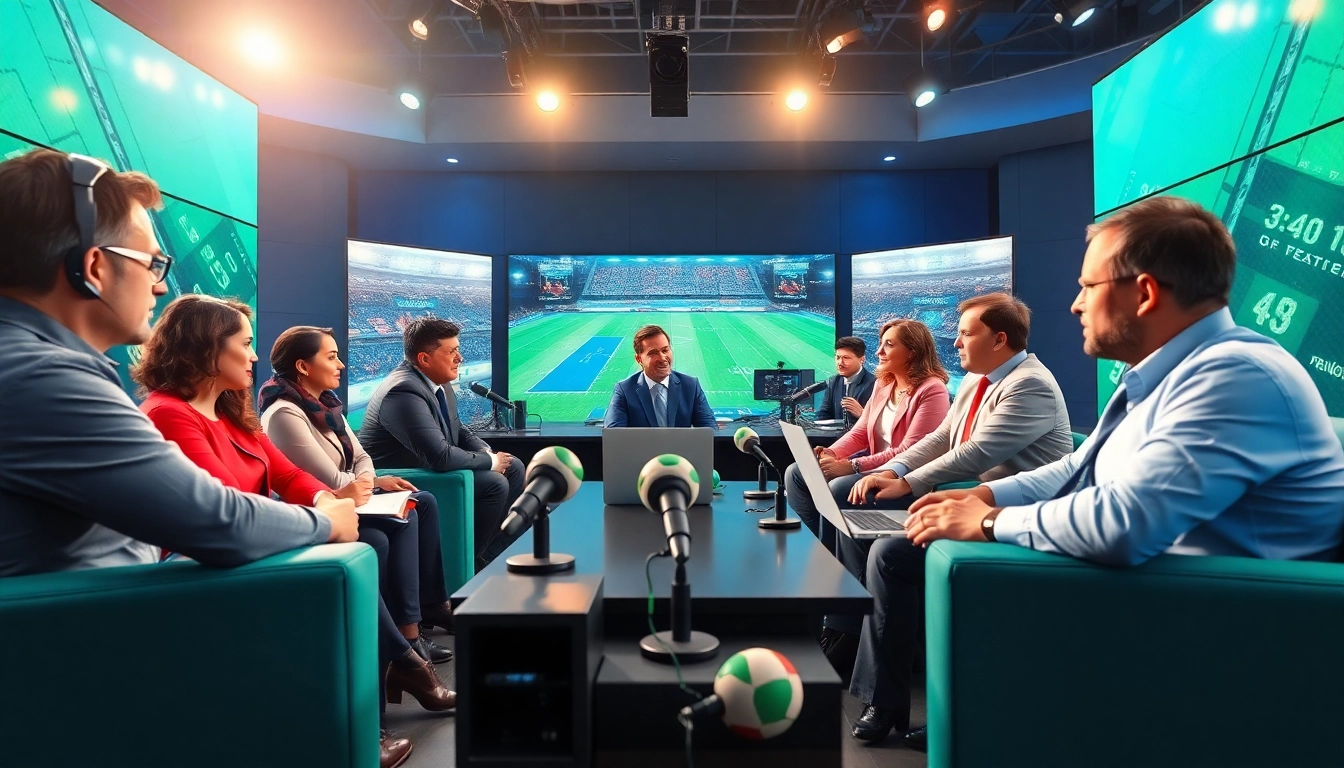
Introduction to Sports Broadcasting
What is Sports Broadcasting?
Sports Broadcasting refers to the live transmission of sports events and related content to an audience through various media platforms. This can encompass television, radio, and online streaming services, providing viewers with access to a wide array of sporting events. The convergence of technology and sports has enabled audiences to experience events in real-time, often enhanced by expert commentary, analysis, and statistical data. The significance of Sports Broadcasting lies in its ability to bring the excitement of live sports to fans, making it a formidable part of sports culture globally.
The Evolution of Sports Broadcasting
The journey of sports broadcasting has seen remarkable transformations over the decades. It began in the early 20th century, when radio broadcasts allowed enthusiasts to follow games live. Television further revolutionized this space in the 1950s, granting access to visuals and enhancing the viewer experience. The late 20th and early 21st centuries saw the rise of cable networks and internet platforms, enabling content to reach broader audiences. Today, advancements in technology such as high-definition broadcasting, virtual reality, and augmented reality are shaping the future of how sports are consumed.
Importance of Sports Broadcasting Today
In today’s society, Sports Broadcasting plays a pivotal role in fostering community, inspiring youth, and driving significant economic impact. Not only does it create an engaging experience for fans, but it also serves as a revenue stream for leagues and teams through advertising, sponsorships, and merchandising. The ability to access live coverage from anywhere in the world means that events can garner global audiences, amplifying the reach of sports far beyond local communities.
Key Components of Sports Broadcasting
Technology and Equipment in Sports Broadcasting
The backbone of effective Sports Broadcasting lies in cutting-edge technology and equipment. From cameras to drones and broadcasting software, each component plays a crucial role. Modern sports broadcasts utilize 4K ultra-high-definition cameras for crystal-clear visuals, while drones provide unique aerial shots, enhancing storytelling. Moreover, graphics software helps integrate live statistics and replays, enriching the viewing experience. Together, these technologies ensure that fans receive comprehensive and engaging content during broadcasts.
Roles and Responsibilities in a Broadcasting Team
A successful Sports Broadcasting team includes various roles essential for delivering a polished product. Commentators relay the action in real-time, offering insights and play-by-play coverage. Analysts provide deeper context, often using data to engage fans in post-game discussions. Technical staff ensure that all equipment and technology function seamlessly. Additionally, producers coordinate the entire operation, making real-time decisions to adapt to the dynamic nature of live sports. Each role, while distinct, must be in sync to produce a flawless broadcast.
Creating Engaging Content in Sports Broadcasting
Engagement is critical in Sports Broadcasting, as it can differentiate a show from competitors. Broadcasters can enhance viewer interaction through pre-game shows, interviews with players, and behind-the-scenes footage. Storytelling draws fans in, creating emotional connections. Moreover, leveraging social media during broadcasts allows for real-time fan engagement, creating a community around sports events. The key is balancing informative content with entertainment, making every broadcast captivating for viewers.
Challenges in Sports Broadcasting
Overcoming Technical Issues
Technical issues can disrupt live broadcasts, leading to viewer frustration and a diminished experience. To mitigate this, broadcasters must conduct thorough pre-show testing of all equipment and backups. Implementing redundancy systems ensures that an alternative stream is available if the primary fails. Regular training for technical staff also prepares them to handle unforeseen challenges quickly, minimizing downtime.
Managing Viewer Expectations
Viewers have high expectations regarding the quality and content of sports broadcasts. They desire clarity, engaging commentary, and real-time updates. Understanding audience demographics can help broadcasters tailor their presentations appropriately. Engaging with fans on social media and conducting surveys can provide insights into viewer preferences, allowing broadcasters to refine their strategies and deliver content that resonates with audiences.
Legal Considerations in Sports Broadcasting
Legal issues can significantly complicate Sports Broadcasting, with licensing agreements, copyright, and content rights being paramount. Broadcasters must navigate these regulations carefully to avoid infringing on intellectual property rights. Engaging legal expertise is crucial to drafting contracts with leagues and organizations, ensuring compliance while maximizing broadcasting rights and responsibilities.
Best Practices for Effective Sports Broadcasting
Tips for Engaging Presentation Styles
Presentation style can make or break a sports broadcast. Engaging commentators employ storytelling techniques, captivating voice modulation, and dynamic pacing to maintain audience interest. It’s vital to adapt to the scenario—whether a high-paced game or a calm analysis segment requires different approaches. Training presenters on effective communication and charisma can significantly elevate the broadcast experience.
Utilizing Social Media in Sports Broadcasting
Social media has transformed the interaction landscape between broadcasters and viewers. Platforms like Twitter and Instagram serve as real-time feedback channels where fans can discuss and react to the broadcast. Integrating social media feeds during broadcasts can foster community engagement. Furthermore, teasers and highlights posted on social media promote upcoming events and engage audiences in discussions surrounding their favorite teams and players.
Enhancing Viewer Interaction and Engagement
Interactive features such as live polls, Q&A sessions, and viewer challenges enhance the broadcast experience. Implementing these elements allows fans to feel more involved, fostering loyalty to the broadcast. Utilizing mobile applications where viewers can ask questions or participate in discussions during the live event also contributes to a more engaging experience.
The Future of Sports Broadcasting
Emerging Trends in Technology
The future of Sports Broadcasting is set to be dominated by emerging technologies. Artificial intelligence, for instance, is being harnessed for data analytics, player performance predictions, and personalized content delivery. Virtual reality is making waves, enabling fans to experience games in an immersive environment from their homes. These technologies will likely redefine fan interactions and content consumption in the coming years.
The Role of Streaming Platforms in Sports Broadcasting
Streaming platforms have changed the game for Sports Broadcasting. With traditional cable subscriptions dropping, streaming services provide flexible options for viewers. They can now choose which games or events to watch without being tied to specific networks. This flexibility encourages more diverse audience engagement and caters to varying preferences in viewing habits. Broadcasters must adapt to these changes by ensuring that their content is available on these platforms.
Future Audience Engagement Strategies
Future audience engagement will hinge on personalization and community-building efforts. Utilizing data analytics to understand viewers’ preferences allows for tailored content delivery. Additionally, hosting virtual events, such as meet-and-greets with players or interactive fan forums, will foster a deeper connection between fans and their favorite sports. Building rich, engaging experiences beyond the live event is essential to keep the audience coming back.
Frequently Asked Questions
What is the role of technology in sports broadcasting?
Technology streamlines the broadcasting process, enhances viewer experience, and allows for real-time data sharing. Advancements in equipment and software improve the overall quality of broadcasts.
How can I improve my skills in sports broadcasting?
Practice live commentary, watch industry professionals, engage with diverse sports, and seek constructive feedback to enhance your skills in sports broadcasting effectively.
What are common challenges in sports broadcasting?
Technical issues, managing viewer expectations, and adhering to legal regulations are frequent challenges faced by industry professionals in sports broadcasting.
How is sports broadcasting changing with new media?
Streaming services and social media are influencing how audiences access and engage with sports content, providing more flexibility and personalization for fans.
What does a successful sports broadcasting team look like?
A successful team integrates diverse roles, including commentators, analysts, and technical staff, working collaboratively to create engaging content that captivates audiences.